An experimental project that turns repair tools into letters and asks how we value objects, labour, and longevity.
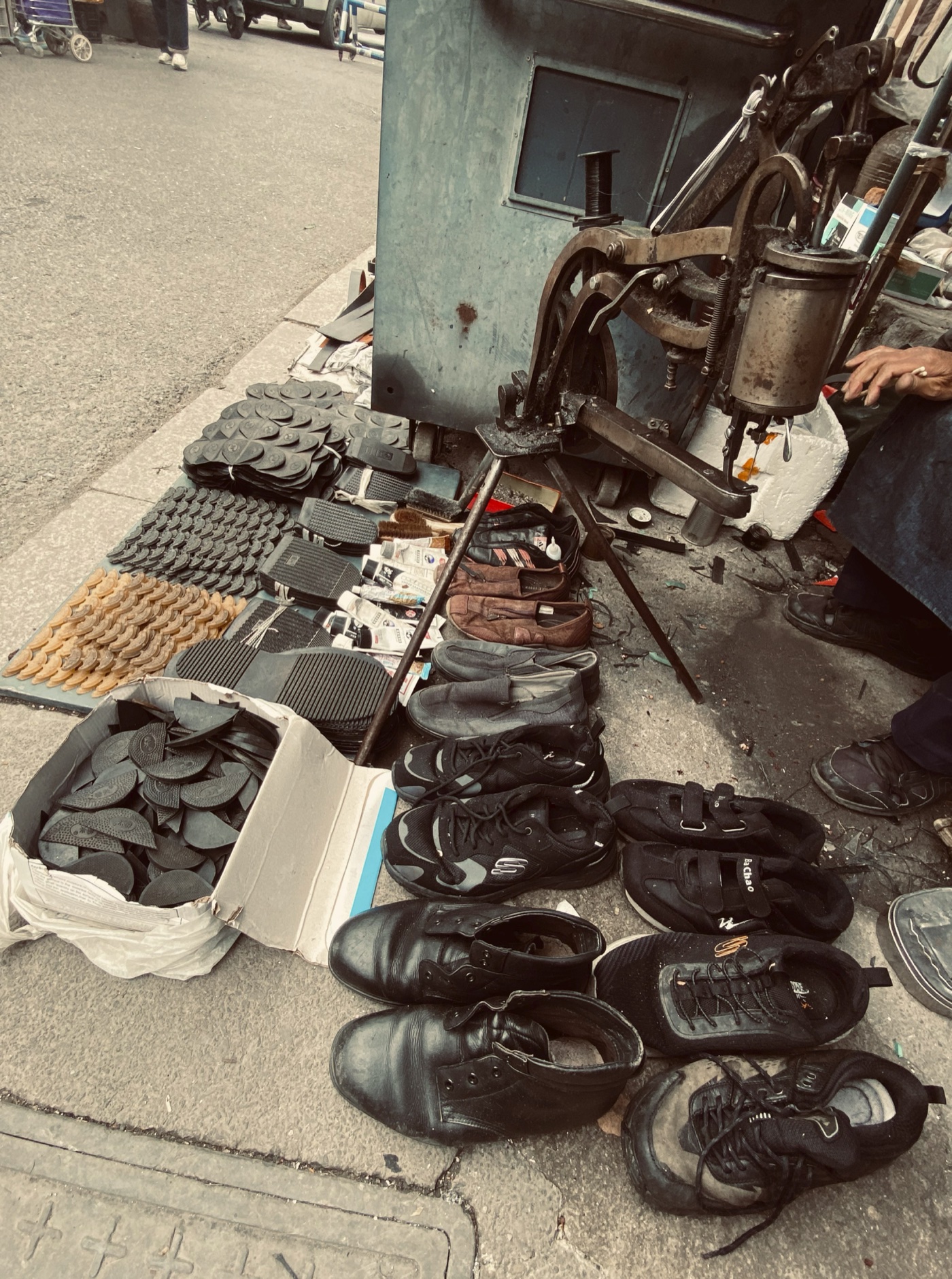
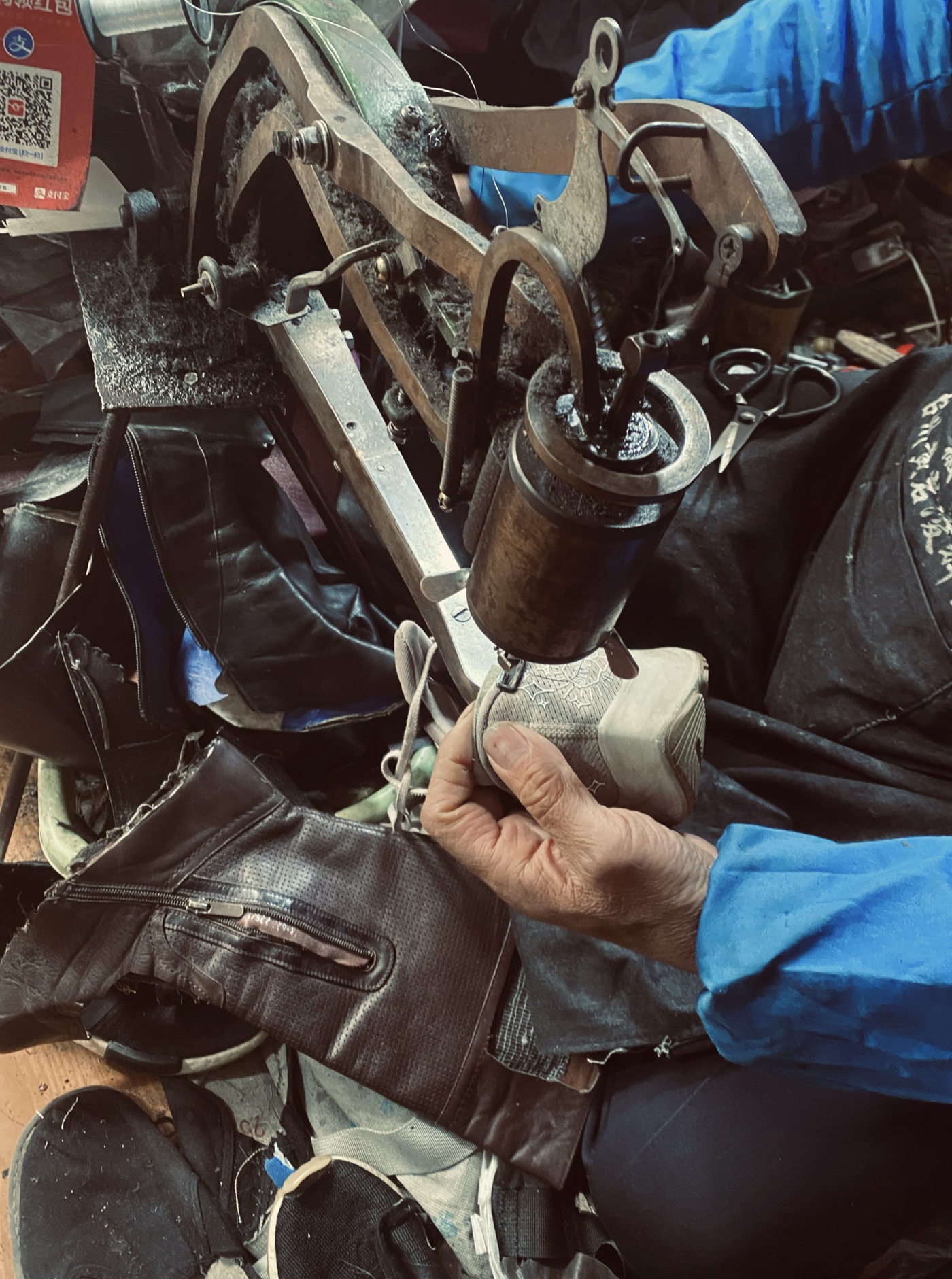
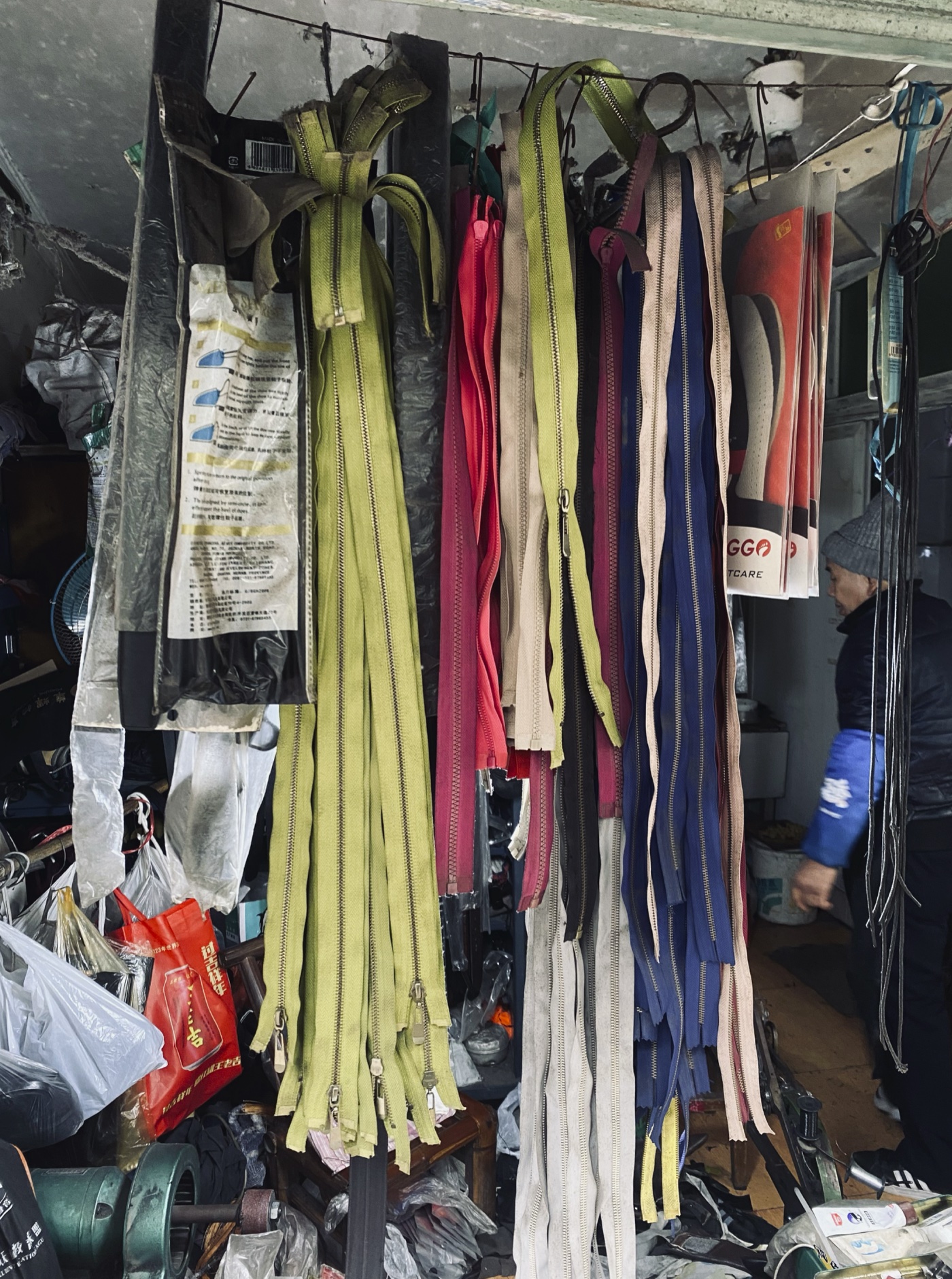
City stitch is an experimental project about the small repair workers who quietly remain part of everyday urban life: shoe repairers, umbrella menders, tailors, locksmiths, and others whose hands give damaged objects another useful life. As cities change, these occupations and the knowledge they carry are increasingly easy to overlook.
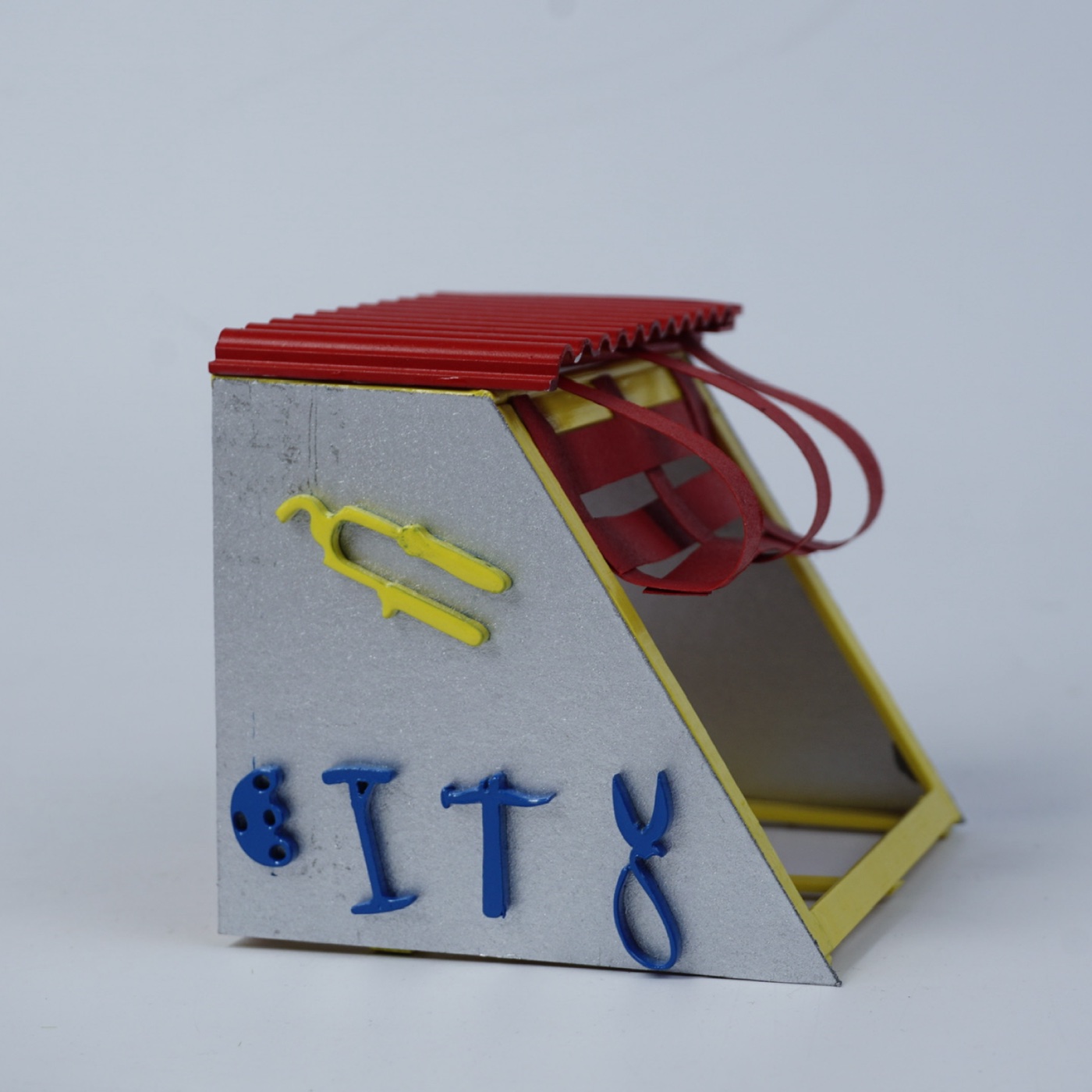
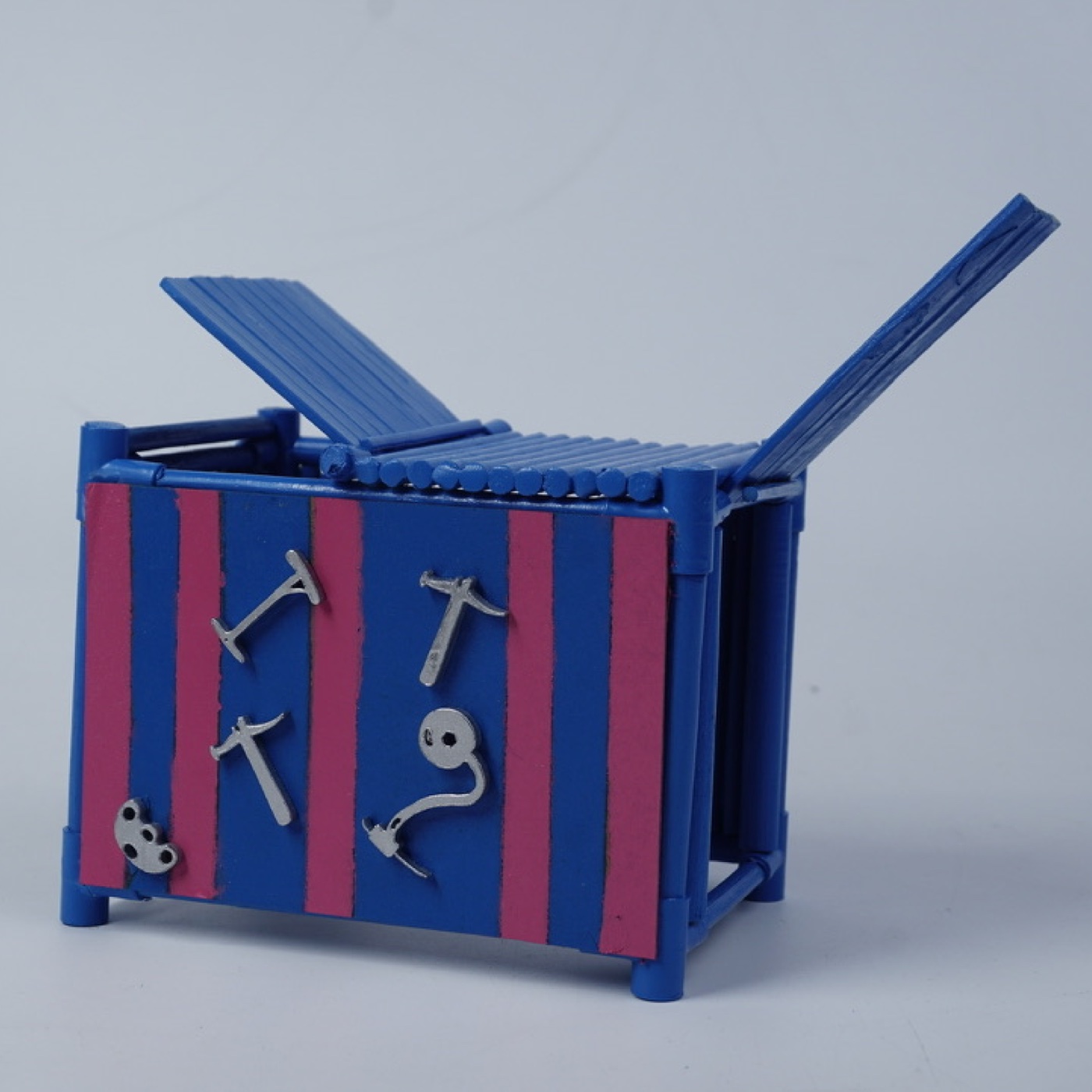
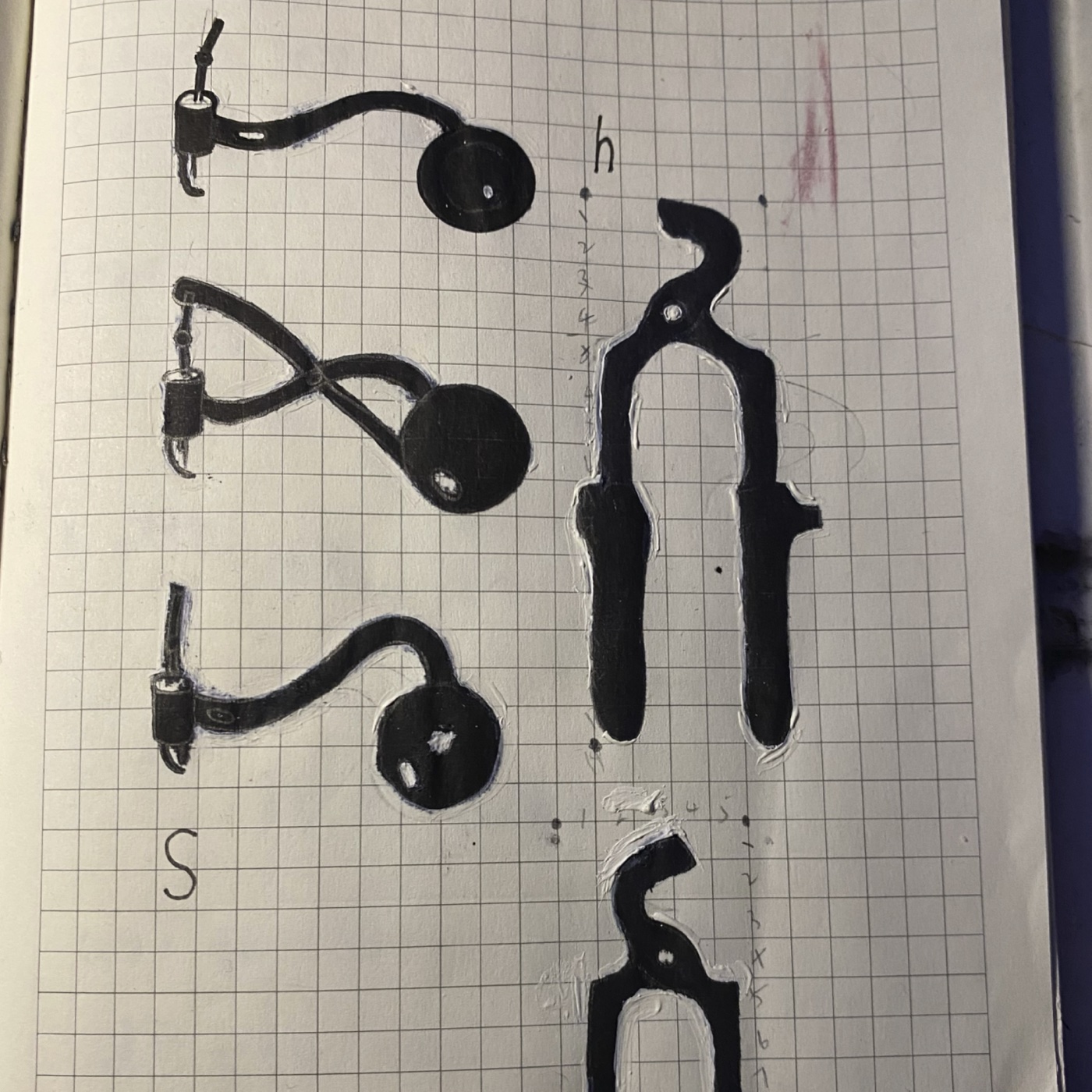
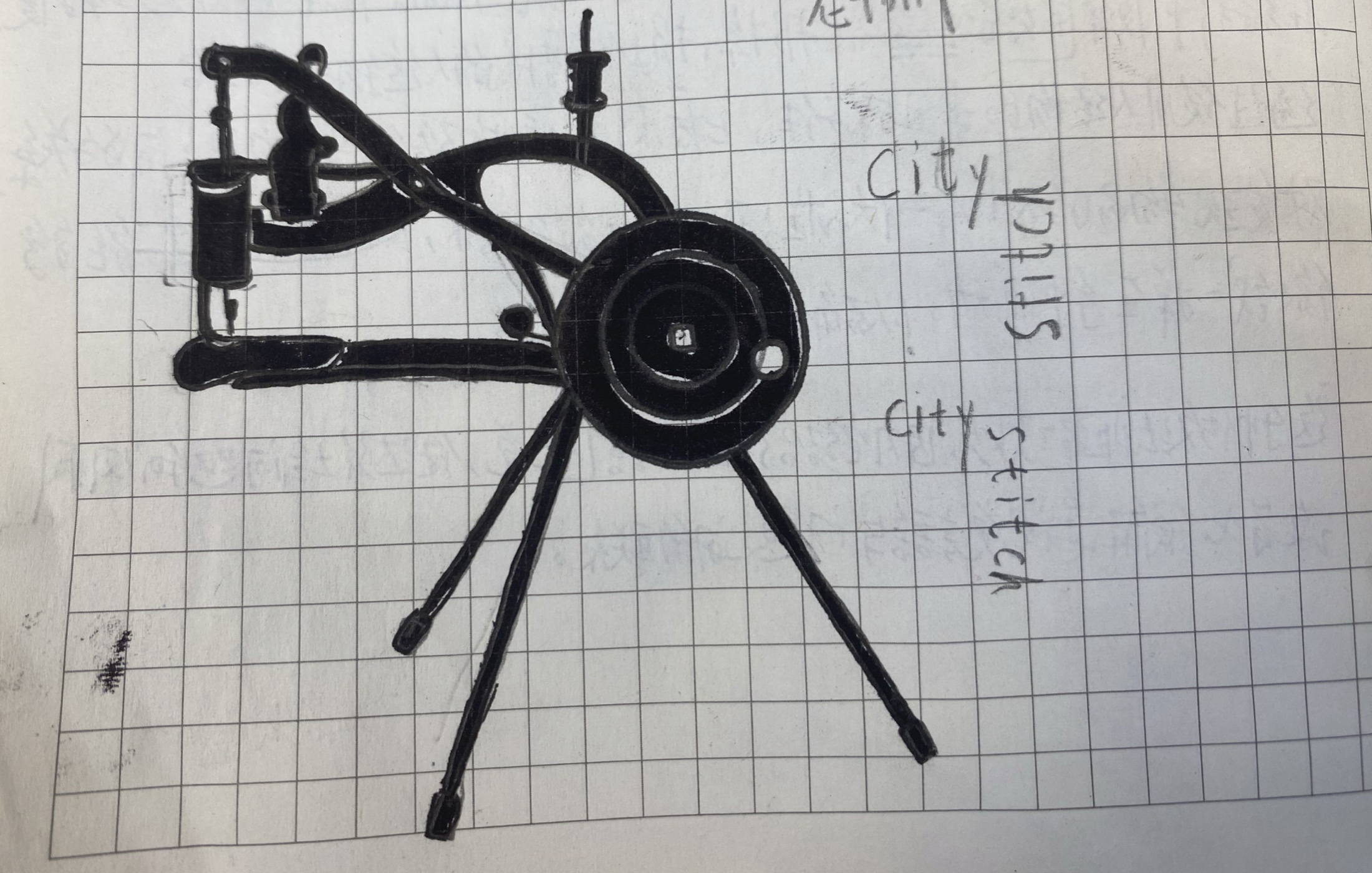
The project begins with field observation and the tools used in these trades. Pliers, hammers, awls, sewing parts, locks, and repair machines are reduced to graphic shapes, then reorganized as letterforms that spell “City stitch.” The result is an open-ended experiment that uses the physical language of tools to frame a question about repair.
Contemporary consumer culture often makes replacement feel easier than maintenance. Objects are expected to remain polished and new, while worn or damaged things can quickly be treated as disposable. Against this habit, long-term use offers another position: care for what we own, understand its material value, and let it serve its fullest possible life.
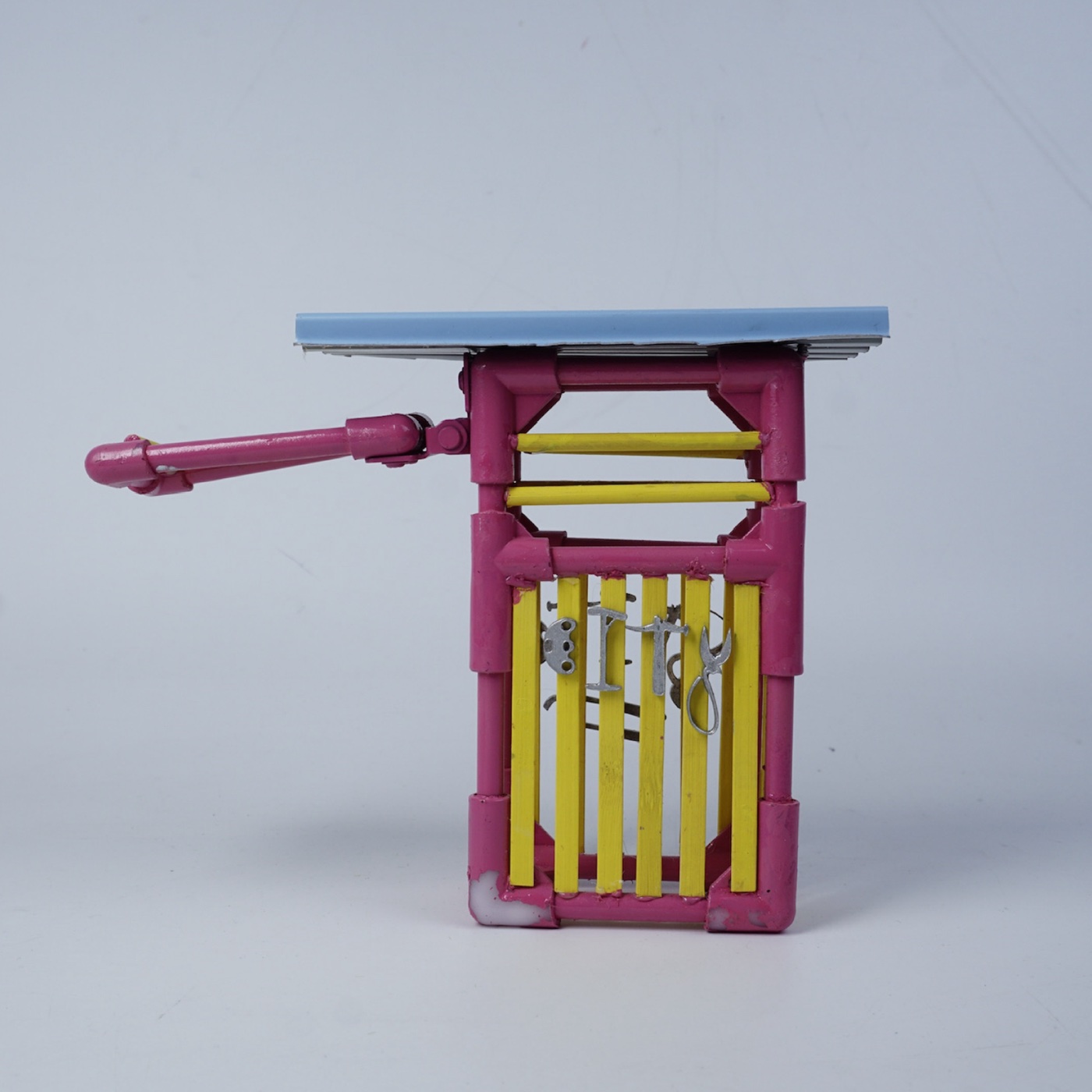
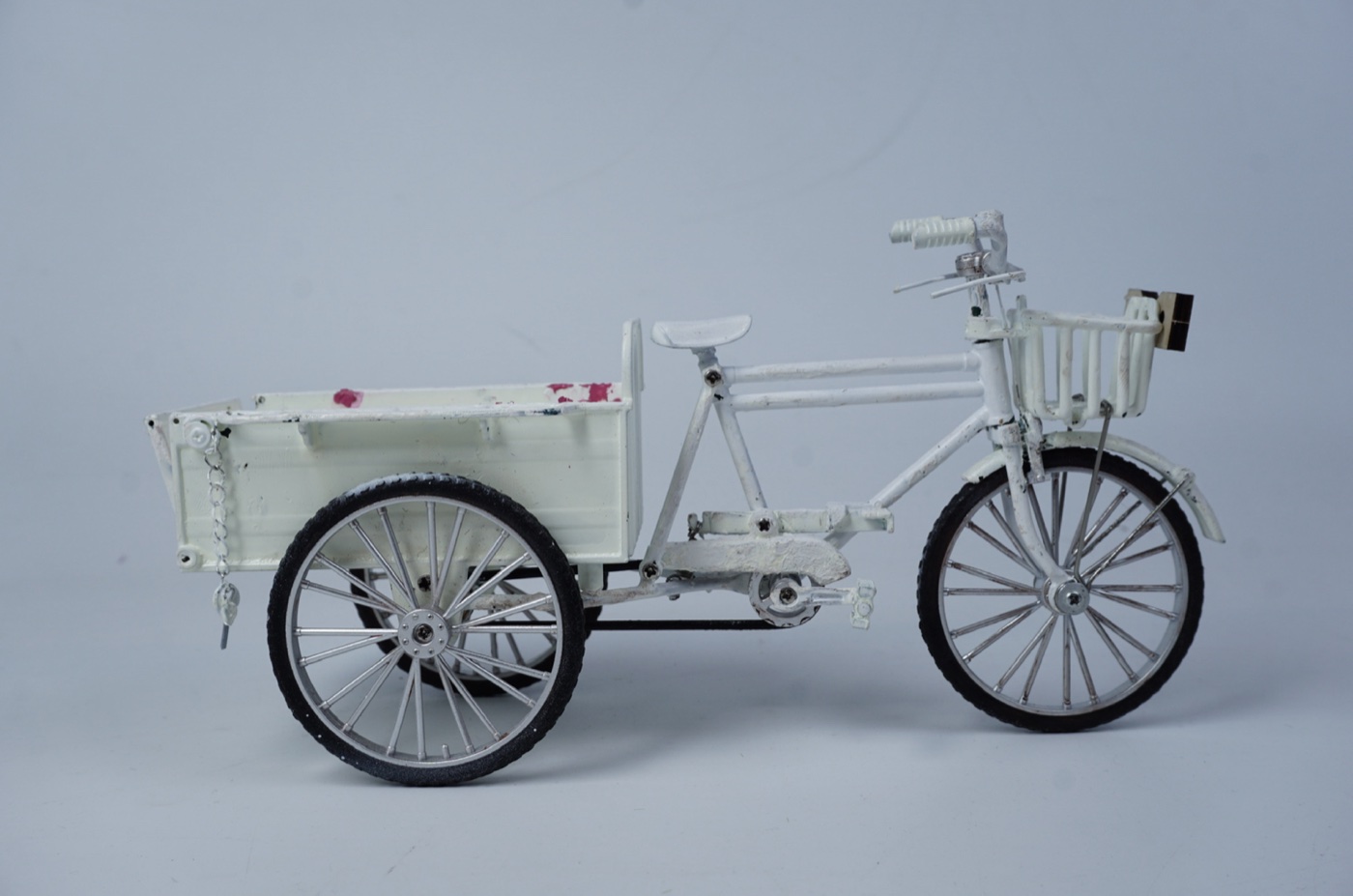
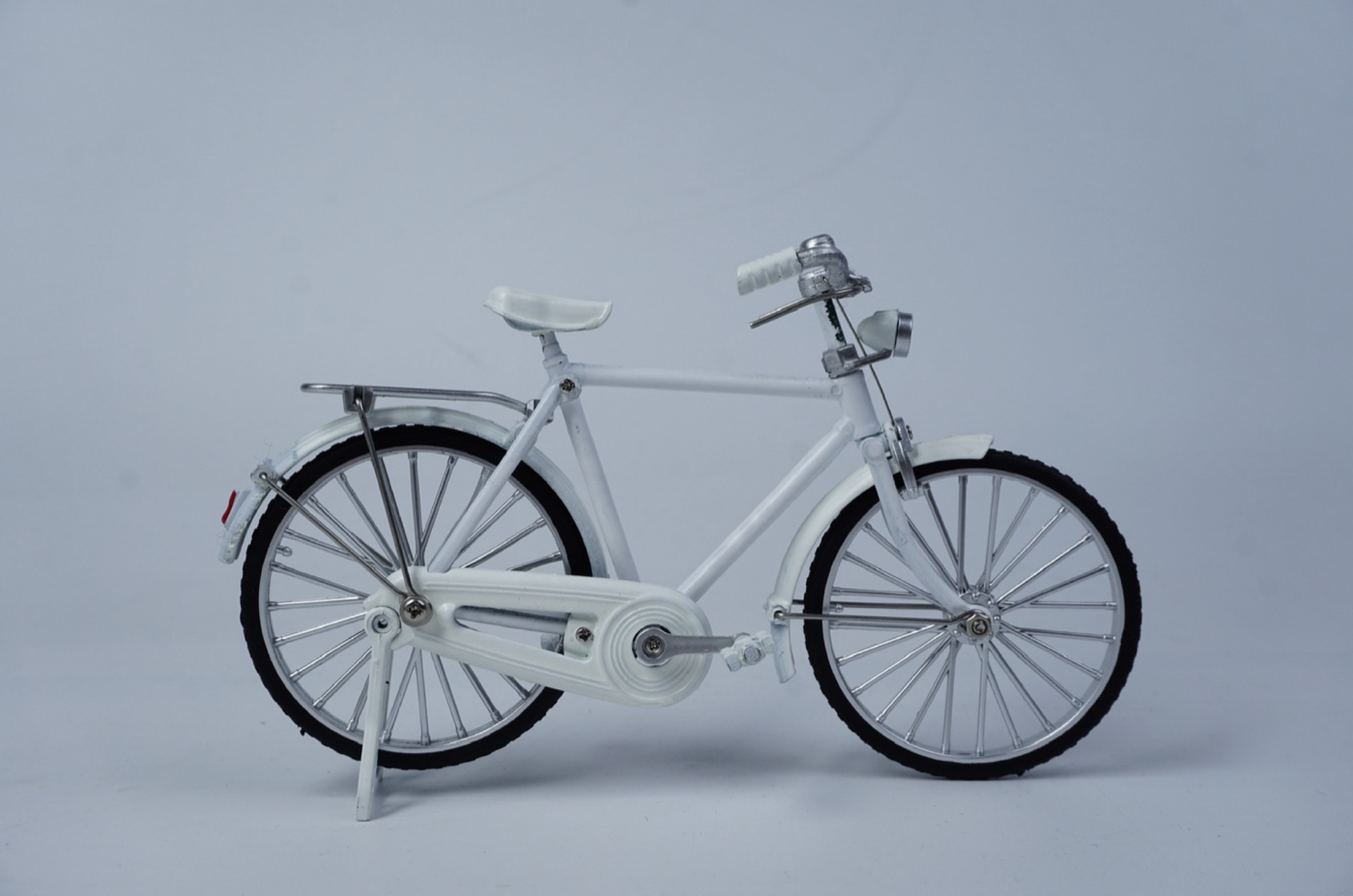
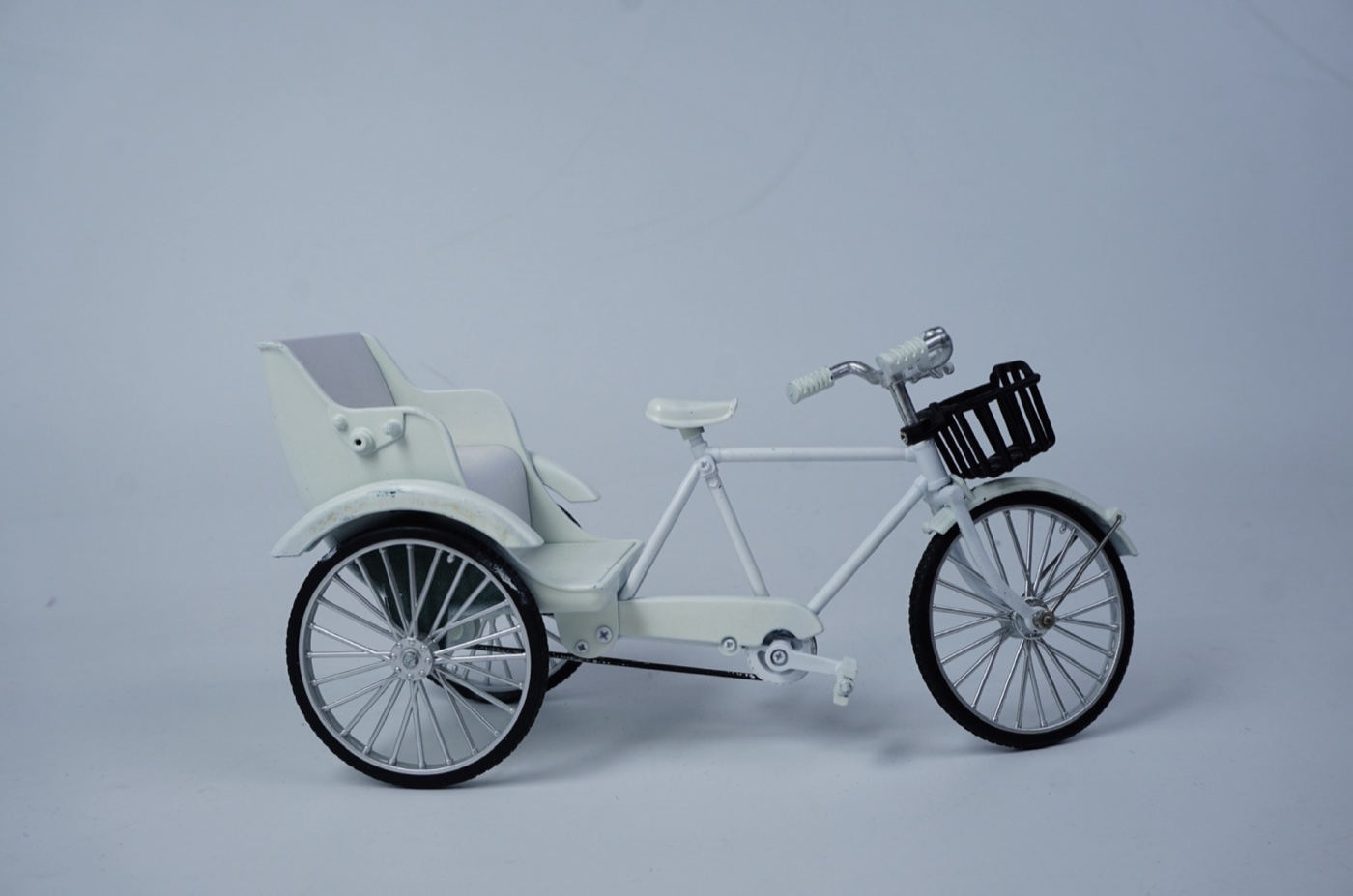
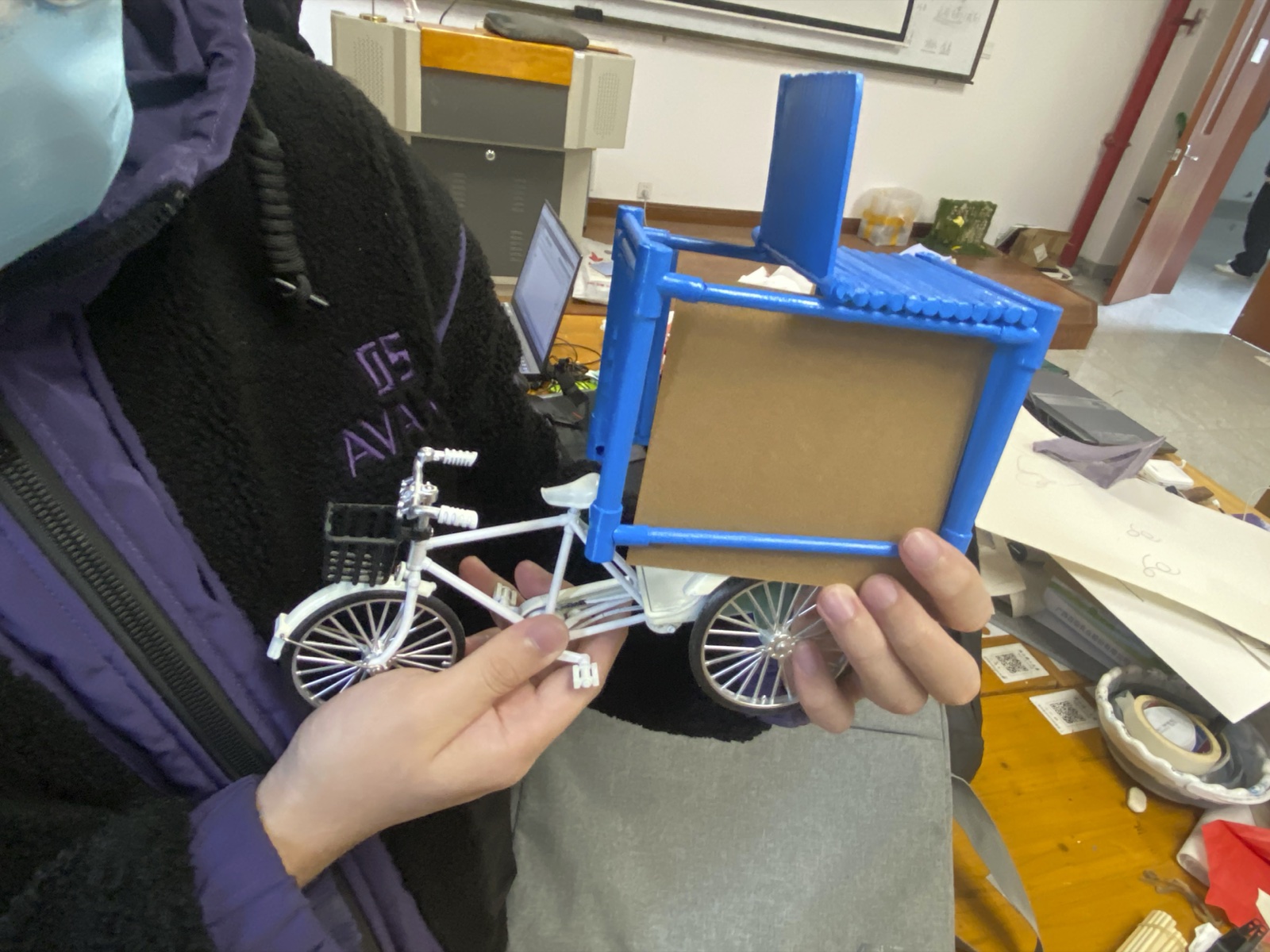
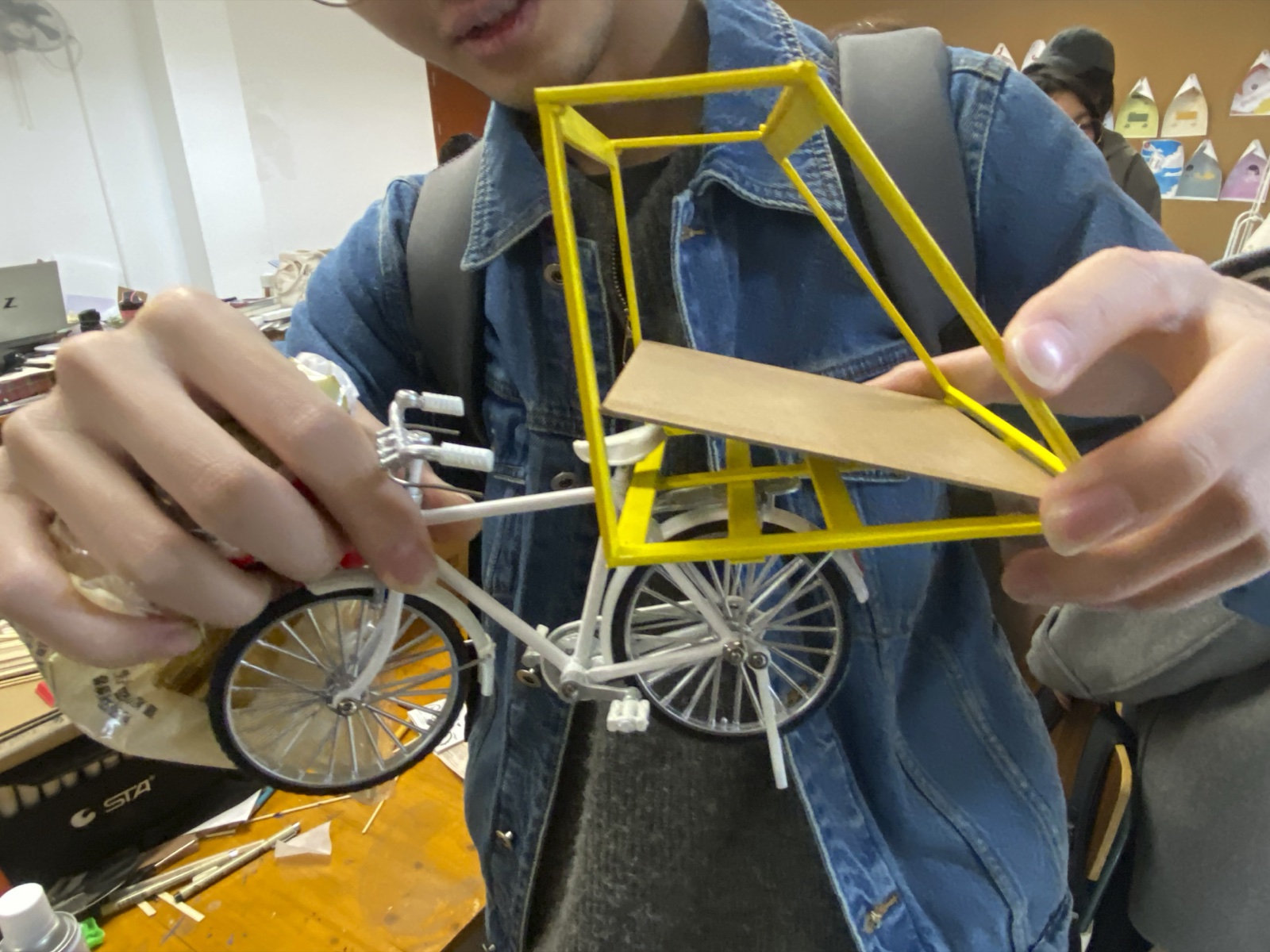
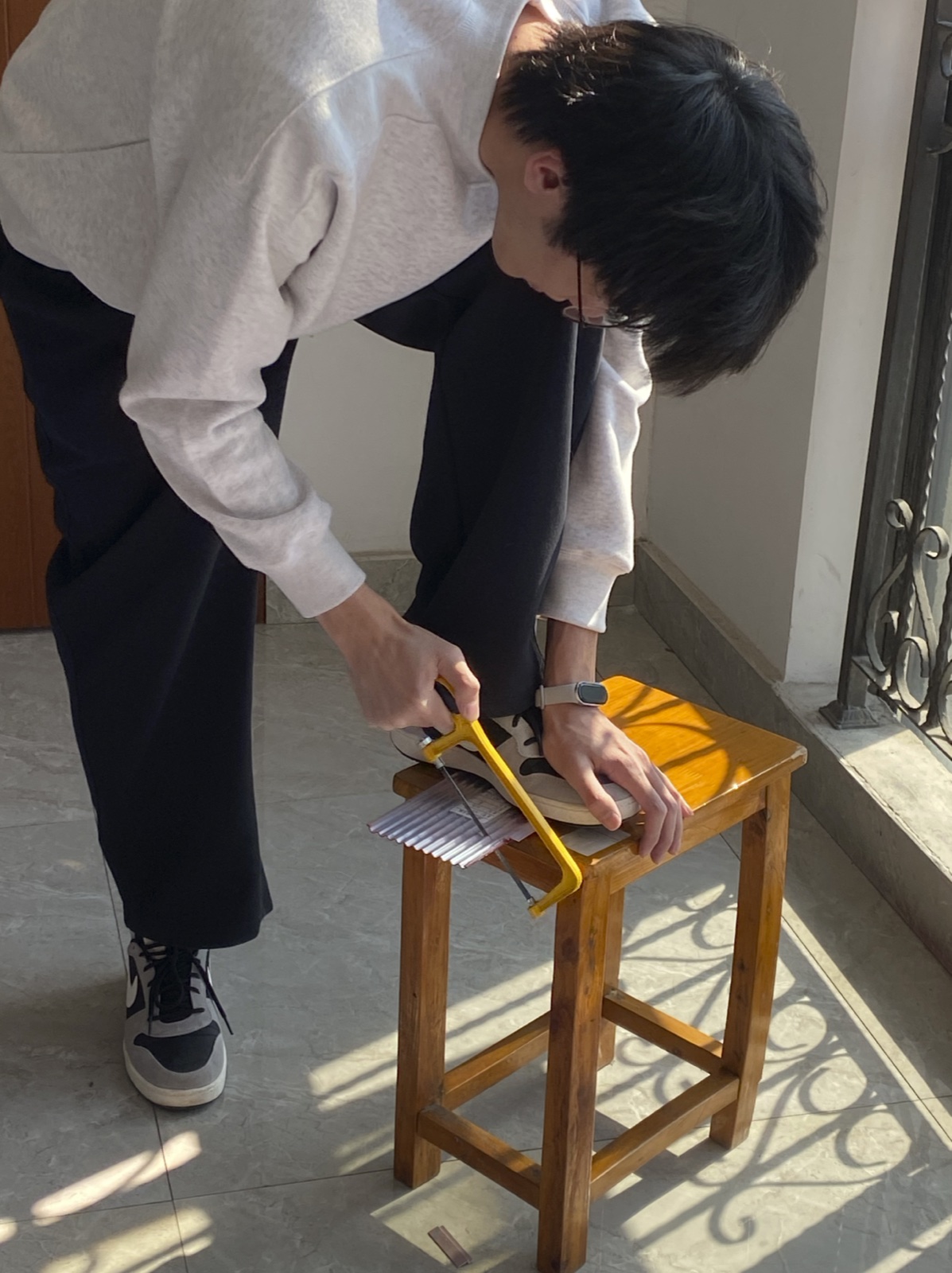
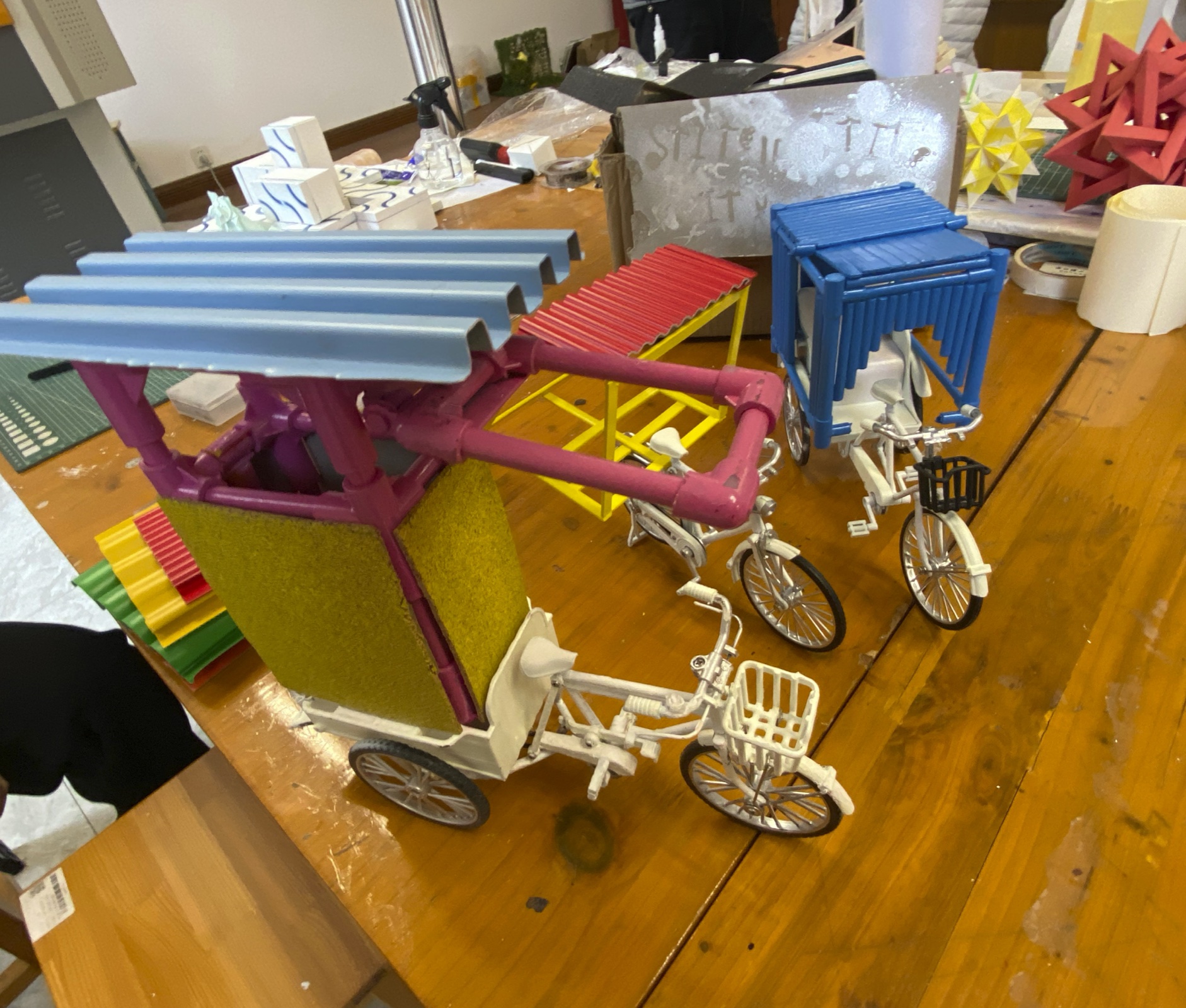
Rather than proposing a finished solution, City stitch brings repair workers back into view and asks what their work can teach us. Through photography, experimental letterforms, physical models, and studies of mobile repair stalls, the project considers mending as an everyday form of resourcefulness—and asks whether broken things might still deserve time, attention, and another chance.